Pendant vs Radio Remote: Which Is Better for Your Overhead Crane?
Your crane may lift perfectly – but the control system determines how safely and efficiently your operators can use it. The two most common methods are pendant controls and radio remote controls. Each has advantages depending on the environment, duty cycle, and type of load being handled.
So, which is right for your facility? Let’s compare them clearly, based on real-world use cases.
Pendant Crane Controls: Simple, Reliable & Cost-Effective
Pendant controls remain the most common option in workshops and factories. A wired control panel hangs from the hoist or bridge, giving the operator direct control of crane movements.
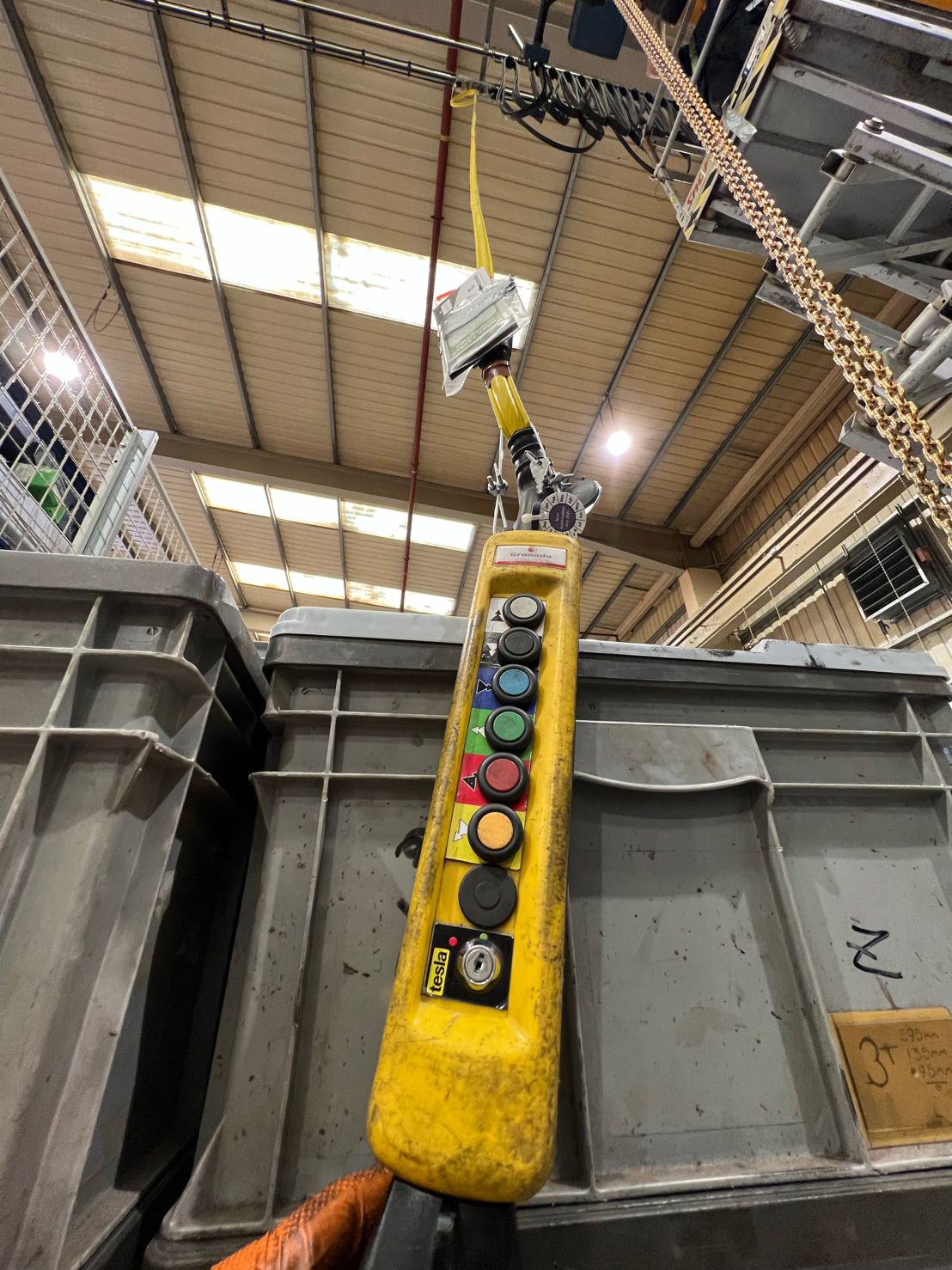
✅ Benefits of Pendant Controls
- Low cost and widely available spare parts
- No batteries to charge or replace
- Simple operation – ideal for smaller facilities and new operators
- Hard-wired connection reduces risk of signal interference
✅ Best used when:
- The operator stays close to the load
- Travel distances are short
- Loads are small to medium
- There are limited obstructions on the floor
⚠ Limitations of Pendant Controls
- Operator must walk with the load, slowing efficiency
- Can create trip hazards on busy floors
- Cable wear increases maintenance over time
- Not ideal for high-heat or hazardous environments
Radio Remote Controls: Faster, Safer & More Efficient
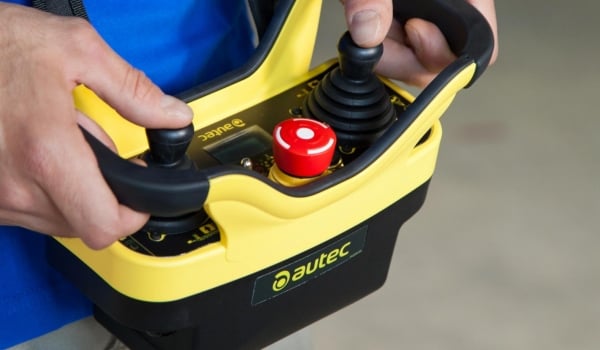
Radio remote systems allow the operator to control the crane wirelessly from a safe distance. This setup is becoming standard in modern production facilities and heavy engineering environments.
✅ Benefits of Radio Remote Systems
- Operator can stand clear of the load for safer lifting
- Improves speed & workflow – no need to walk with the crane
- Works around obstacles and machinery
- Ideal for large bays and long travel distances
- Optional spare handsets for multi-operator use
✅ Best used when:
- Loads are large, awkward, or hazardous
- Operators work at distance (heat, fumes, or splash risk)
- The facility has floor obstructions or heavy traffic
- Lift paths are long or repetitive
⚠ Limitations of Radio Remote
- Initial cost is higher
- Requires battery charging or swaps
- Signal checks needed in RF-heavy environments
Hybrid Option: Pendant + Radio Remote
Most modern crane systems – including installations by Granada Cranes – support both methods:
- Remote control for day-to-day work
- Pendant available as backup in case of battery or signal issues
This is common in:
- Steel fabrication shops
- Large manufacturing facilities
- Maintenance depots
- Heavy machining workshops
Which Is Better for Your Operation?
| Factor | Better Choice |
|---|---|
| Operator safety and distance from load | Radio Remote |
| Lowest cost and simplest installation | Pendant |
| Busy factory floor with obstacles | Radio Remote |
| Short lifts at a single workstation | Pendant |
| Long travel distance across a full bay | Radio Remote |
| Backup for critical lifting operations | Pendant + Remote |
Fitting Radio Remote to Existing Cranes
You don’t need a new crane to upgrade. Granada installs radio remote systems on:
- SWF hoists
- OMIS hoists
- Demag, Konecranes, Stahl, and Street Crane systems
We can integrate remotes with existing wiring and safety circuits – often without downtime.
Need Advice for Your Facility?
Our engineers can recommend the right control system based on your environment, duty cycle, and load type.
Contact one of our crane experts
The advice, graphics, images, and information provided herein are for general educational and informational purposes only and are intended to promote overall safety awareness. They do not constitute legal, medical, or other professional advice or services and should not be relied upon as a substitute for consultation with suitably qualified professionals. The content is not intended to be comprehensive, and users should seek independent professional advice appropriate to their specific circumstances.