Signs Your Overhead Crane Needs Maintenance Before It Fails
Unexpected crane breakdowns don’t just stop production – they create safety risks, damage equipment, and lead to costly emergency repairs. Most failures don’t happen suddenly.
There are early warning signs, and spotting them can save thousands of pounds in downtime and repairs.
This guide is designed for facility managers, maintenance teams, and safety officers who want to prevent crane failures before they happen.
1. The Crane Is Making Unusual Noises
Grinding, squealing, clicking, or vibration noises are common signs of mechanical wear. These often indicate:
- Damaged bearings or gearbox wear
- Misaligned wheels or rails
- Brake or motor problems
- Hoist rope tension issues
If your crane sounds different than usual, it’s already telling you something is wrong.
2. Jerky or Slow Lifting
If the crane struggles to raise or lower a load smoothly, the cause could be:
- Hoist brake wear
- Low oil levels or gearbox damage
- Motor or inverter faults
- Electrical control problems
This is often an early indicator of a developing failure – especially in older cranes.
3. Hoist Rope or Chain Wear
Hoist ropes and chains have a lifespan. Visible signs of damage include:
- Twisting or birdcaging
- Corrosion or rust
- Kinks, fraying, or broken strands
- Stretched or uneven chain links
Ignoring this can lead to catastrophic failure – regular inspections are critical.
4. Overheating Motors or Electrical Smell
Motors that run hot or tripping electrics can signal failing components, overload, or insulation breakdown. If you notice:
- Burning smell
- Motor casing hot to touch
- Frequent resets or electrical trips
This is a major warning sign. Shut it down and get it inspected.
5. The Crane Drifts or Fails to Hold Load
If a load slowly lowers without operator input, the brake system is failing – and this is a serious safety risk. Causes include:
- Worn brake discs
- Contaminated brake pads
- Faulty braking motors
6. The Crane Has Started to Sway More
Increased sway during travel often indicates:
- Worn wheels
- Poor rail alignment
- Damaged end carriages
- Failed inverter control
Modern inverter systems (like those on Granada Cranes installs) reduce sway – if it’s increasing, something is out of tolerance.
7. Operators Report “It Just Feels Different”
Nobody knows a crane better than the people who use it daily. If operators report anything unusual – speed, handling, drift, noise, vibration, or control issues – take it seriously.
8. Missed LOLER or PUWER Inspections
LOLER inspections aren’t optional – they are a legal requirement. Skipping inspections increases the probability of mechanical failure and could invalidate insurance.
If your crane is overdue for LOLER, it should not be operating.
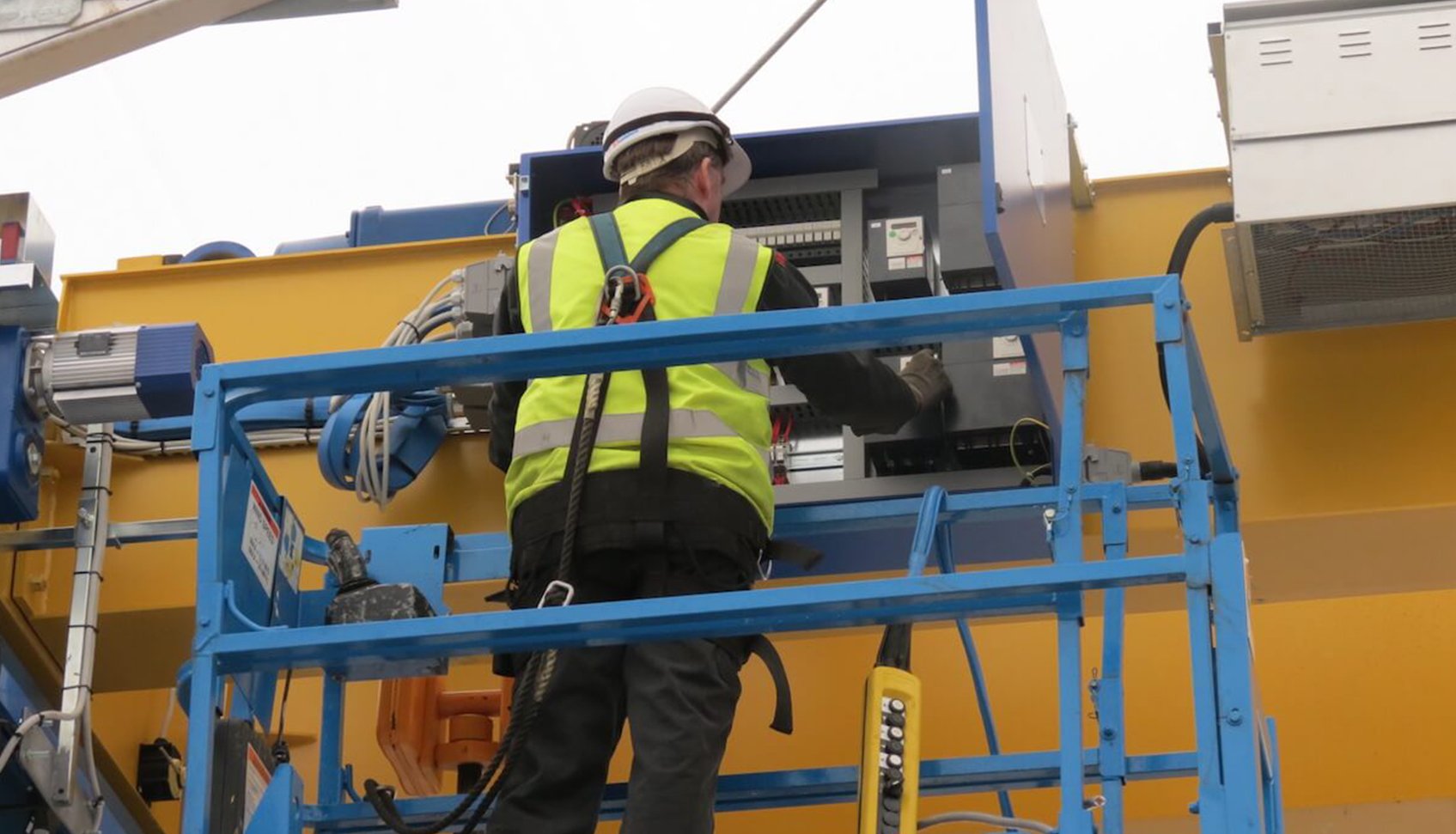
What Happens When Cranes Are Not Serviced?
- Brake or hoist failure
- Dropped loads
- Runway damage
- Unplanned shutdowns
- Regulatory compliance issues
In almost every case, the cost of an emergency breakdown is many times higher than routine maintenance.
How Granada Cranes Helps Prevent Failures
- Planned Preventative Maintenance tailored to usage and duty class
- 24/7 breakdown response across the UK
- LOLER inspections & certification
- Condition monitoring and diagnostic reporting
- Spare parts for all major brands – SWF, OMIS, Stahl, Konecranes, Demag, Street Crane and more
Many failures are avoidable and regular servicing extends crane lifespan, reduces total cost of ownership, and protects operators.
Need Your Crane Checked?
If you’ve noticed any of the warning signs above, a service visit could prevent costly downtime.
Book a service inspection or LOLER test
The advice, graphics, images, and information provided herein are for general educational and informational purposes only and are intended to promote overall safety awareness. They do not constitute legal, medical, or other professional advice or services and should not be relied upon as a substitute for consultation with suitably qualified professionals. The content is not intended to be comprehensive, and users should seek independent professional advice appropriate to their specific circumstances.